Prevent Ice Dams and Winter Gutter Damage: Essential Tips for Homeowners
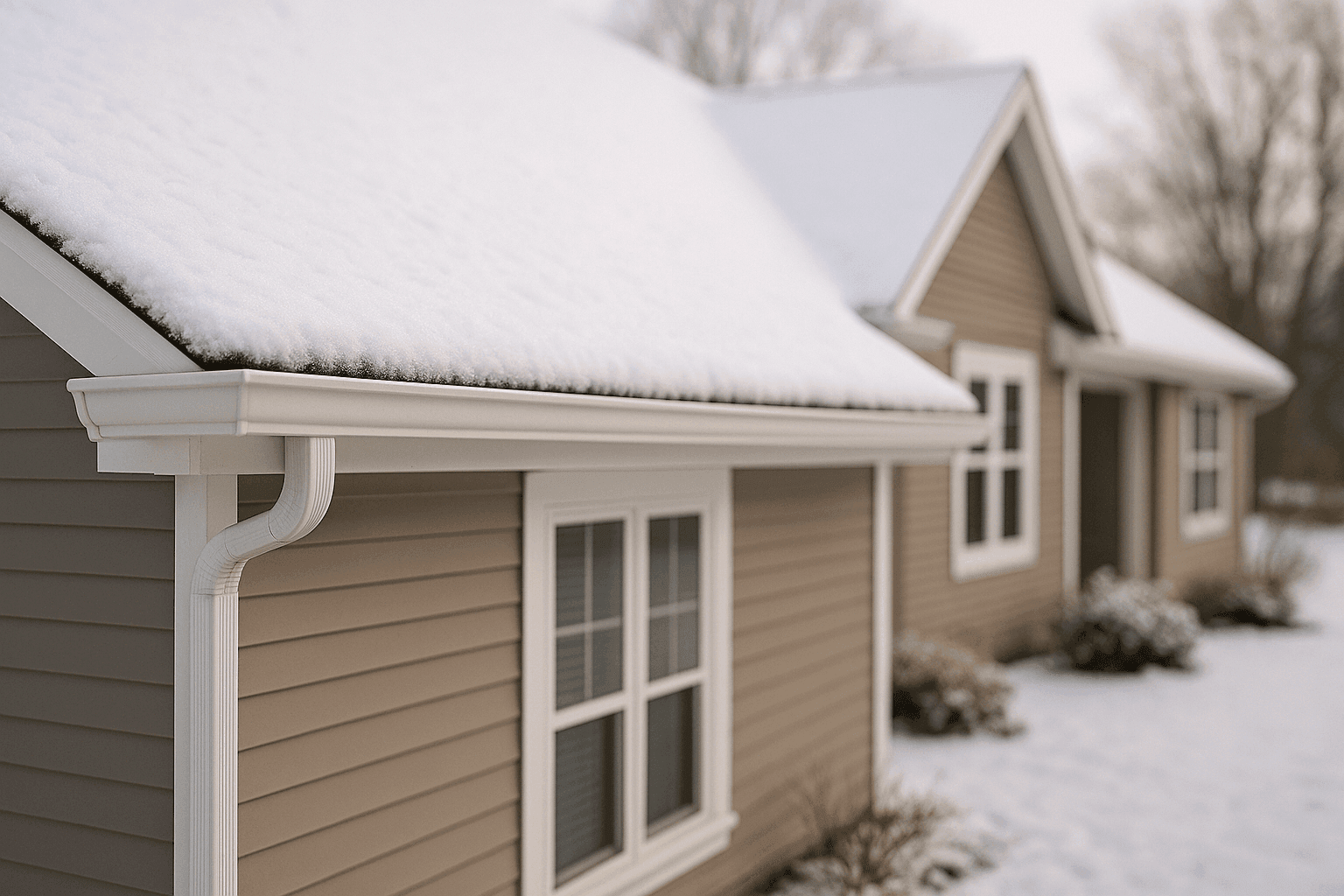
Every winter, homeowners brace for the cold, but few expect the silent threat building up at the edge of their own rooftops. Ice dams and gutter damage don’t just ruin a cozy season—they can cost thousands in repairs and leave lasting scars on your home or business.
At Dirty Harry’s Gutters, we’ve seen firsthand how a little prevention can save a lot of headache. Whether you’re searching for “Clogged Gutter Removal near you” or want to fortify your property before the next snowstorm, here’s what every property owner needs to know.
Why Ice Dams Form and Why They Matter 🧊
Picture this: snow falls, blankets your roof, then the sun shines or your attic warms up. Melted snow slides down the roof until it hits the cold gutter edge—then bam, it freezes again. Over time, this freeze-thaw cycle builds a wall of ice called an “ice dam.”
Ice dams aren’t just pretty icicles. They force melted water to back up under shingles, soaking insulation, warping wood, and staining ceilings. Clogged or poorly sloped gutters make matters worse, trapping water and giving ice even more opportunity to build up.
Unchecked, an ice dam is like a dam in a river—eventually, the water finds a way through, and your home’s interior pays the price.
Risks of Ice Dams:
- Roof leaks and soaked insulation
- Warped or rotted fascia and soffits
- Stained walls and ceilings
- Damaged gutters and downspouts
- Mold growth inside attic spaces
Early Warning Signs of Ice and Water Damage
You don’t need a crystal ball to spot trouble brewing. Watch for these red flags after a snowfall:
- Icicles hanging from gutters or roof edges, especially in clusters
- Water dripping behind gutters or down the siding
- Ice collecting in gutters or at the base of downspouts
- Paint peeling near rooflines
- Dark spots or stains on ceilings inside your home
If you notice one or more of these, it’s time to act. Early intervention is key to preventing major repairs.
Step-by-Step: How to Prevent Ice Dams
Prevention starts long before the first snowflake falls. Here’s how to get ahead of winter’s worst:
1. Insulate and Ventilate Your Attic
A cold roof is a safe roof. Proper attic insulation keeps warm air inside your living space, not escaping into the attic and melting roof snow from underneath. Combine this with good ventilation (think soffit and ridge vents) to keep air moving and temperatures even.
- Add insulation to meet or exceed local code (U.S. Department of Energy recommends R-38 to R-60 for cold climates).
- Seal attic air leaks around pipes, chimneys, and light fixtures.
2. Keep Gutters Clean and Free-Flowing
Clogged gutters are like blocked arteries—they choke off drainage and invite ice. Schedule regular gutter cleaning, especially after leaves fall and before the first snow. Services like “Clogged Gutter Removal near you” can ensure your system is ready.
- Clear out leaves, twigs, and roof granules.
- Check for proper slope so water flows to downspouts.
- Ensure downspouts are connected and draining at least 6 feet from your foundation.
3. Install Roof Edge Protection and Gutter Guards
Metal flashing at the roof edge (drip edge) helps channel water into gutters, not behind them. Gutter guards keep debris out, so water flows even during a freeze.
- Consider heated cables along the roof edge for high-risk homes.
- Upgrade to durable materials: seamless aluminum, steel, or copper gutters resist winter stress.
4. Maintain Gutter Slope and Hangers
If gutters sag, water pools and freezes. Adjust hangers as needed to ensure a steady slope toward downspouts.
Emergency Tips: What to Do If You Spot Ice Build-Up 🚨
Caught off guard by a sudden freeze? Act fast, but stay safe—icy roofs are no place for a DIY slip.
- Remove snow safely: Use a long-handled roof rake from the ground to clear 3–4 feet above the gutter edge. Never climb a snowy ladder or walk on an icy roof.
- Break up ice dams carefully: If ice is thick, don’t hack away with sharp tools. Place calcium chloride ice melt (not rock salt) in a sock and lay it across the dam. Watch for runoff.
- Open attic vents: Cold air in the attic can slow melting and limit further damage.
- Protect interior rooms: Catch drips with buckets, move valuables, and if ceilings sag, poke a small hole to drain trapped water and prevent a bigger collapse.
When in doubt, call a professional for emergency gutter services—your safety matters more than any repair.
When to Seek Professional Help
Some jobs are best left to the pros, especially when winter weather adds risk. Call Dirty Harry’s Gutters if you notice:
- Persistent leaks or water stains inside
- Gutter sections pulling away or sagging
- Massive icicles or thick ice dams you can’t safely reach
- Downspouts frozen solid or split
- Recurring ice dam problems every winter
Our team handles everything from emergency gutter repair to custom gutter solutions, including ice dam prevention strategies for both residential and commercial properties.
Safety Checklist for Winter Gutter Care
Before winter hits, run through this quick checklist:
- [ ] Insulate and ventilate attic per local code
- [ ] Clean all gutters and downspouts
- [ ] Inspect for proper gutter slope and secure hangers
- [ ] Check roof for missing shingles or flashing gaps
- [ ] Install gutter guards or leaf screens if needed
- [ ] Keep a roof rake handy for snow removal
- [ ] Know who to call for emergency gutter services
DIY or Call a Pro?
Not every task is a weekend project. Here’s a quick guide:
DIY:
- Gutter cleaning (ground-level, safe ladder use)
- Roof raking (from the ground only)
- Visual inspections for leaks and sagging
Call a Pro:
- Ice dam removal from roofs
- Major gutter repairs, replacements, or realignment
- Installing new gutter guards, heated cables, or custom gutter systems
- Emergency water damage prevention
Professional gutter techs have the right tools, training, and insurance. They can spot hidden problems you might miss—saving you money in the long run.
What Pros Do On Arrival
When Dirty Harry’s Gutters arrives, here’s how we tackle winter gutter emergencies:
- Inspect gutters, downspouts, fascia, soffit, and roof edge for signs of damage
- Safely remove ice dams using steam or specialized tools (no risky chiseling)
- Clear blockages and repair leaks
- Assess attic insulation and ventilation for long-term prevention
- Offer custom recommendations—like new seamless gutters, gutter guards, or rainwater harvesting systems
We follow industry best practices and safety guidelines from organizations like OSHA and the National Roofing Contractors Association.
Prevention & Maintenance: Stay Ahead of Winter
Winter gutter care isn’t just for January. Build these habits into your year:
- Clean gutters in late fall and early spring
- Schedule annual gutter inspections and maintenance
- Upgrade to seamless, copper, or steel gutters for greater durability
- Check downspout extensions—make sure they carry water well away from the foundation
- Plan attic insulation upgrades before the first deep freeze
Costs & Time Factors
Winter gutter issues range from a quick fix to a major project. Here’s what to expect:
- Gutter cleaning: Usually takes 1–3 hours for a typical home
- Ice dam removal: Can take several hours, depending on thickness and roof size
- Repairs: Minor fixes (replacing hangers, sealing seams) are fast; full replacements or upgrades take longer
- Prevention: Attic insulation and ventilation projects vary by home size and layout
Remember, the cost of prevention is always less than major water damage repairs.
When It’s an Emergency
Some winter gutter problems can’t wait. Call for help immediately if you see:
- Water pouring inside or pooling near your foundation
- Gutters or downspouts pulling loose from the house
- Large sections of ice damming, especially after a heavy storm
- Cracked or split downspouts
Quick response can make the difference between a minor repair and a major insurance claim.
FAQ: Ice Dams & Winter Gutters
Q: Will gutter guards stop ice dams?
A: Gutter guards help keep debris out, but ice dams can still form if attic insulation or roof ventilation is lacking. Use them as part of a whole-home prevention plan.
Q: Is roof salt safe for ice dams?
A: No—rock salt can damage shingles, plants, and metal gutters. Use calcium chloride, and only as directed.
Q: How do I know if my gutters need replacement?
A: If you see major rust, sagging, cracks, or frequent leaks, it may be time to upgrade to seamless or custom gutter solutions.
Q: Can ice dams damage my foundation?
A: Yes—melted water that overflows near your foundation can cause soil erosion, basement leaks, and structural issues. Always direct downspout extensions well away from the house.
Local & Seasonal Considerations 🌨️
Winter weather can vary from blizzards to ice storms. In regions with heavy snowfall, schedule gutter inspections and cleaning twice a year—late fall and early spring. For commercial properties or homes with lots of trees, more frequent maintenance may be needed.
Stay alert during freeze-thaw cycles. Even in milder climates, a sudden cold snap can cause unexpected damage if gutters aren’t ready.
Winter doesn’t have to mean water damage and costly repairs. With the right steps—and a little help from the pros—your home or business can weather any storm.
Call Dirty Harry's Gutters now — or reach us anytime at 888-831-4495 .